Initiated by:

From Baltic resilience to European readiness

Europe’s digital backbone runs beneath the sea. Submarine fiber optic cables carry more than 95 percent of international data traffic, supporting everything from financial systems and communications to national security. The Baltic Sea region already has a very strong repair model, proven in real incidents through fast restoration enabled by jointing expertise, reliable hardware and close operational cooperation. But the new reality includes a higher risk of multiple, concurrent disruptions. What was once a system dimensioned for a relatively stable number of faults must now be ready to scale rapidly when incidents surge.

With support from the European Union and joint investment from Baltic Offshore and Tykoflex, we are developing an even stronger and scalable model for preparedness and rapid repair of fiber optic cables in the Baltic Sea.

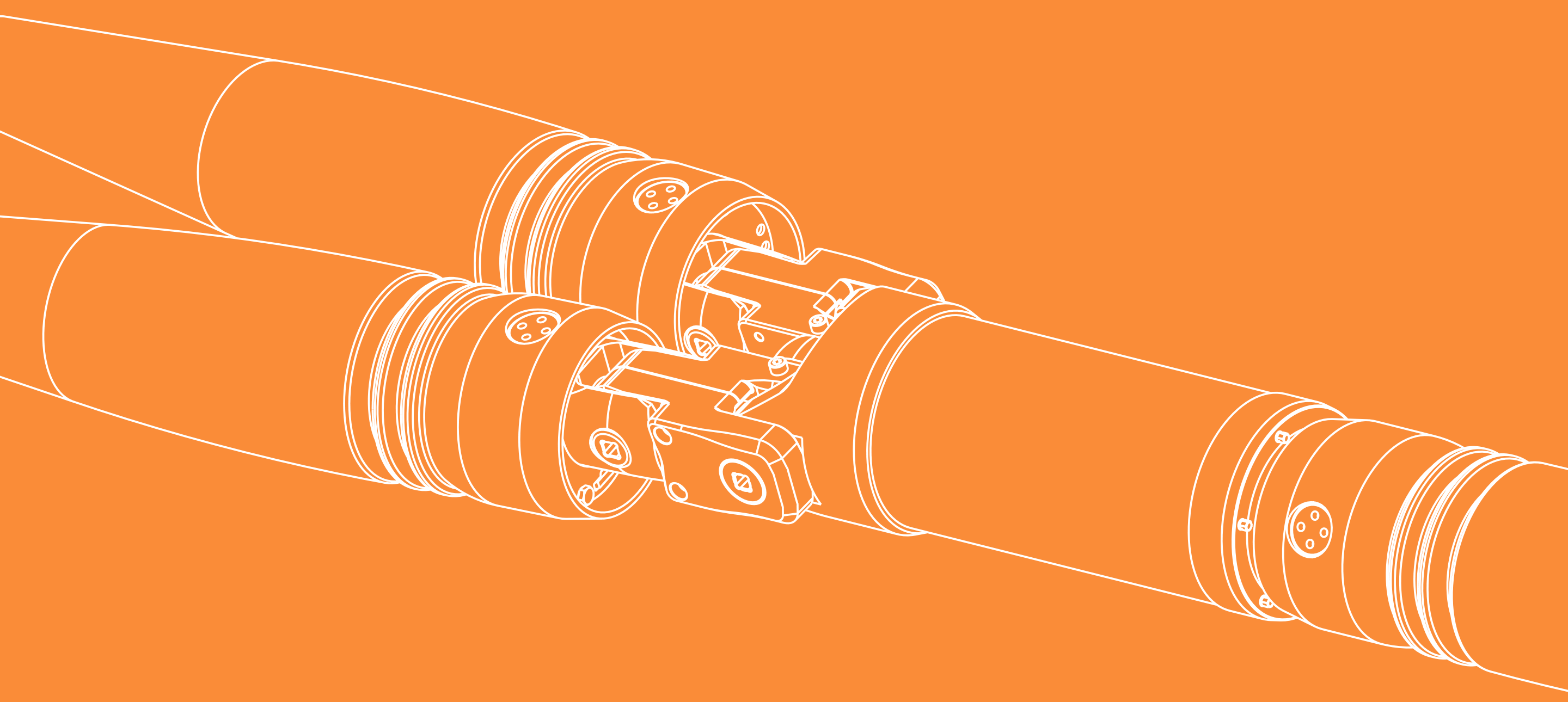
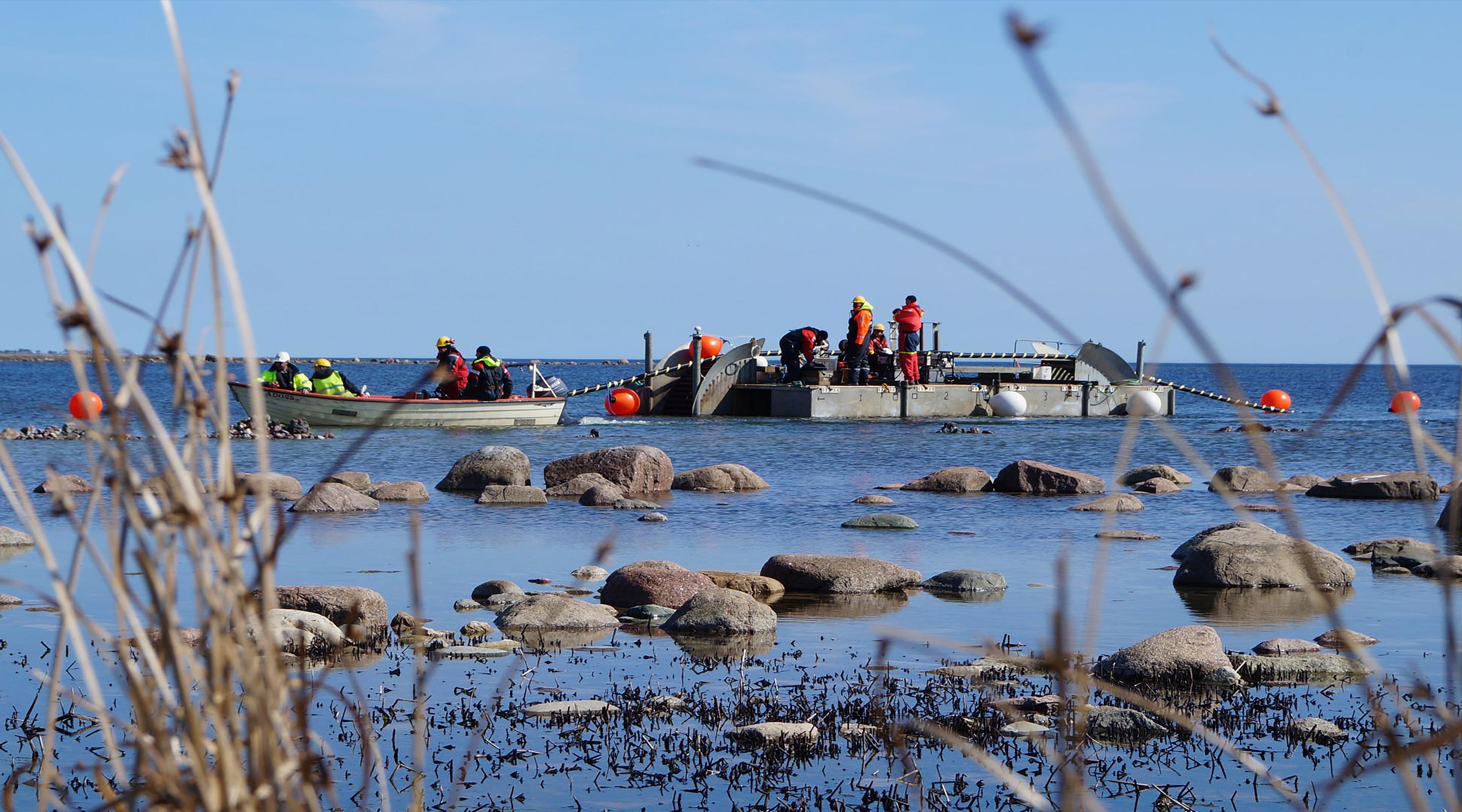
The study focuses on enabling a model that can ramp up quickly: ensuring access to critical hardware, repair materials and tooling, expanding jointing and repair competence, and identifying how additional vessels and barges can be made ready for cable repair when needed. We are also advancing technology for repeatered and SMART subsea cables, improving cross-cable jointing, and developing future adaptations of Seaflex® for actively repeated systems and integrated sensing.
01

Competence

Ready for normal loads. Strengthened for unexpected peaks.

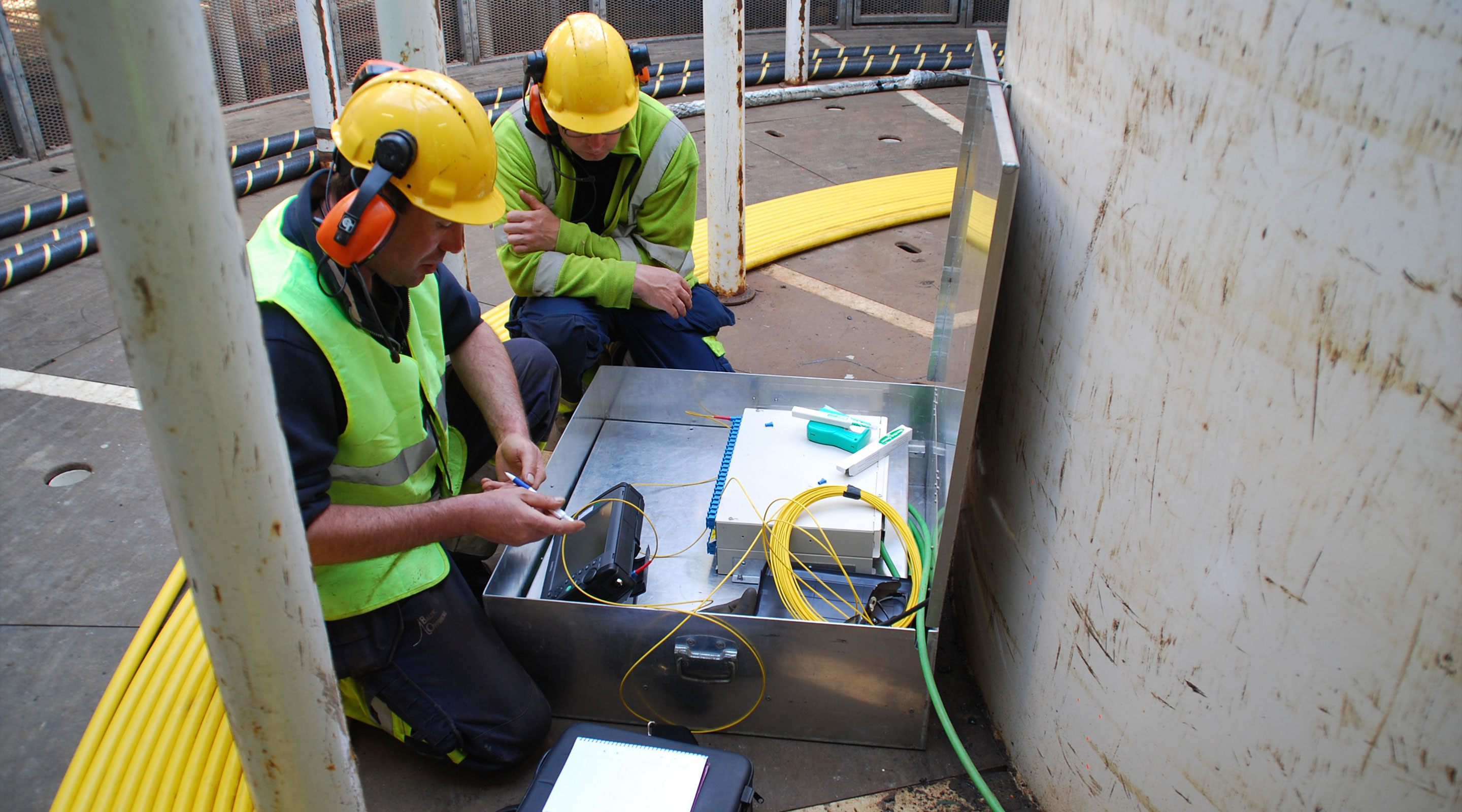
The Baltic region already has strong fibre repair capability. The program builds on this by developing enhanced preparedness training for the cable systems in the Baltic Sea, strengthening certification and creating scalable readiness so that additional teams can be activated quickly when demand increases.

  • Preparedness training for Baltic Sea cable repair
  • Certification and maintained expertise
  • Scalable competence for high-demand situations
02

Fleet

Efficient in daily operations. Prepared to scale when needed.

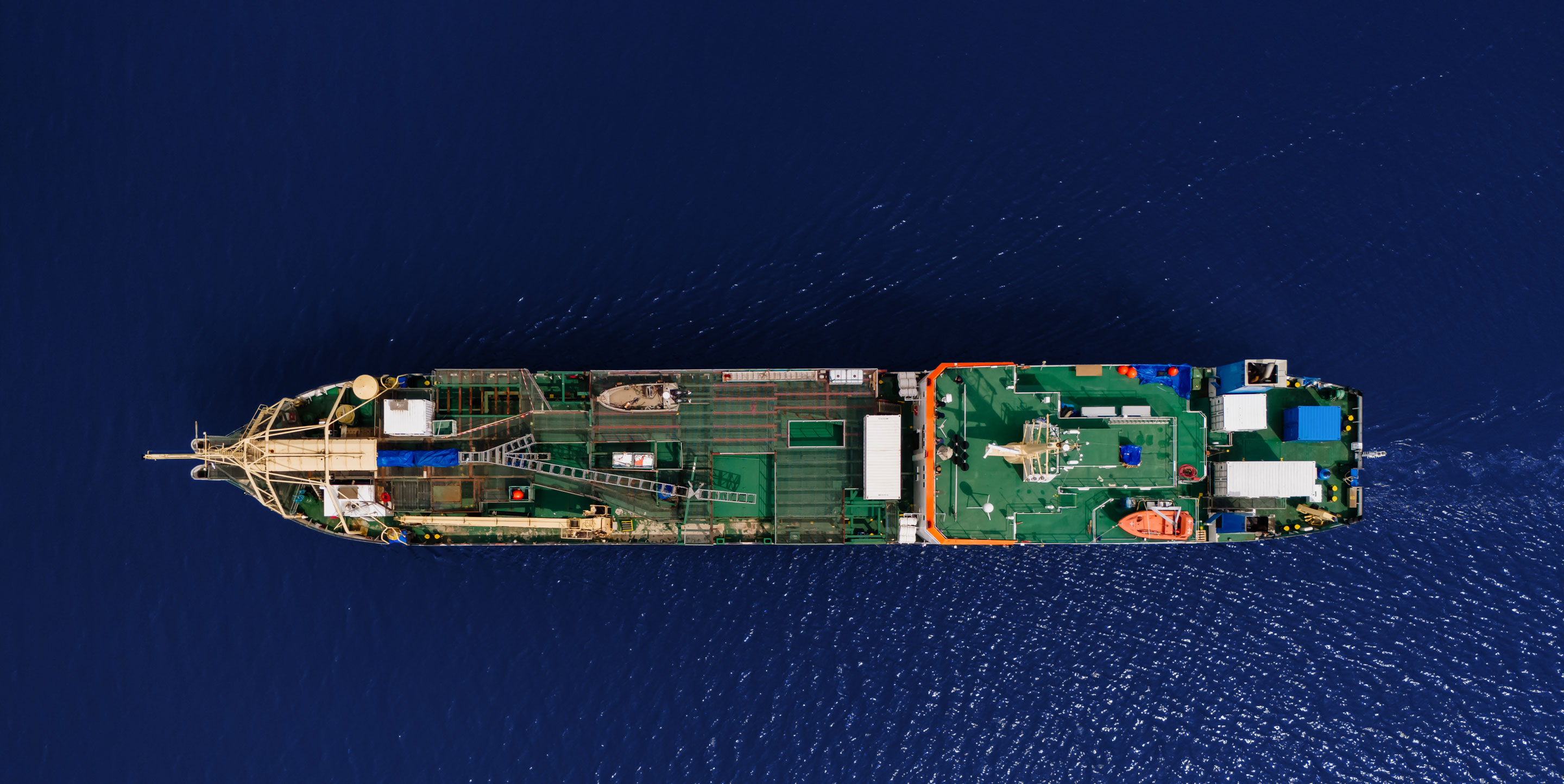
The existing repair fleet works well for typical incident levels. The program develops ways to rapidly activate additional vessels, barges and equipment so capacity can increase when repair demand rises.

  • Rapid conversion of vessels and barges
  • Cable handling equipment available when needed
  • Fast mobilisation procedures for peak scenarios
03

Hardware

Available for routine repairs. Preparing for simultaneous incidents.

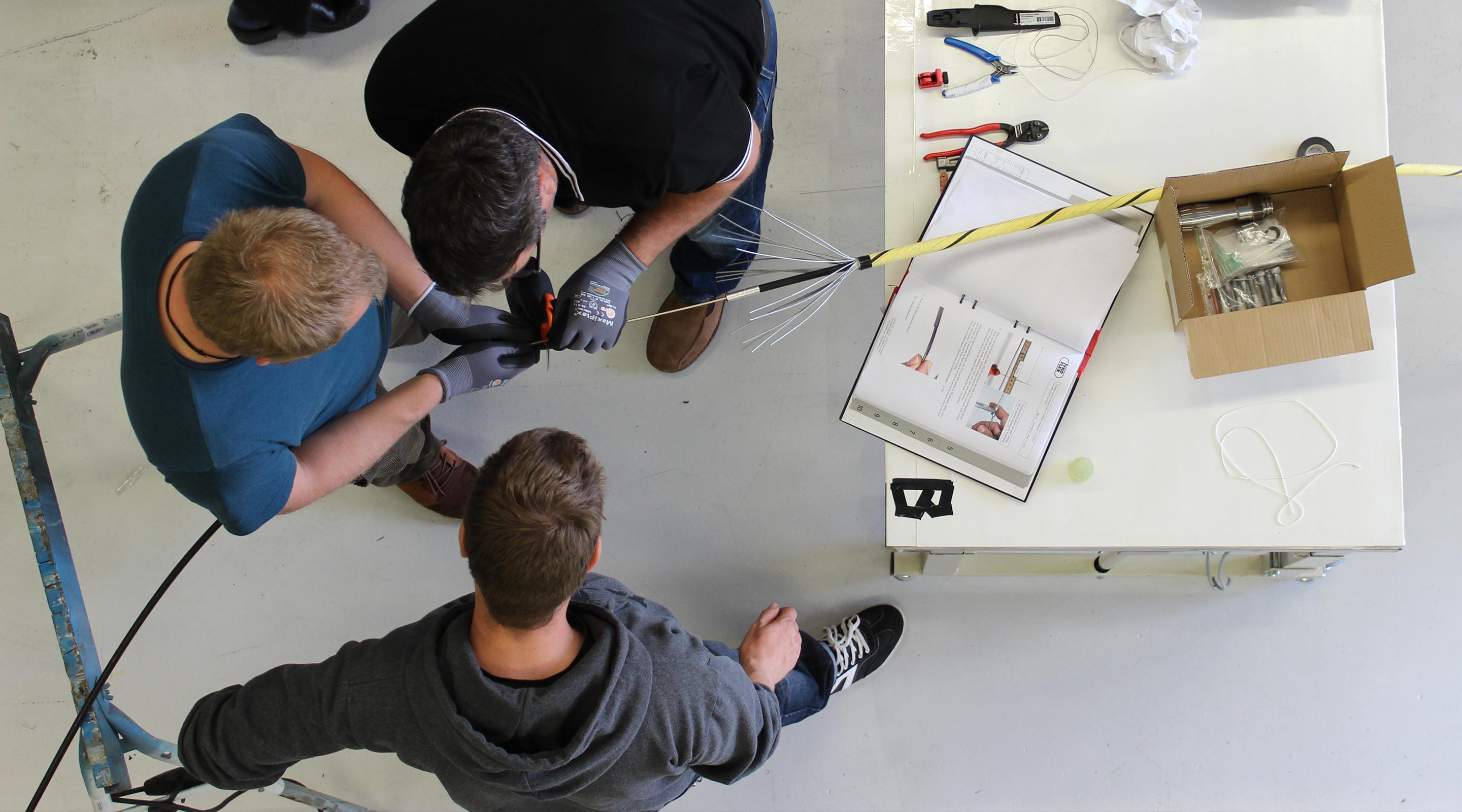
The program strengthens material readiness by ensuring that European-engineered and produced hardware can be made available at scale when needed. This includes cable neutral closures, universal jointing solutions and repair tooling that are required for several parallel repairs. It also prepares for future needs such as SMART sensors and actively repeated cable systems.

Strengthening repair capability in the Baltic directly increases resilience and supports digital independence by ensuring more routing options when incidents or disruptions occur.

Erik Slottner, Minister for Civil Defence

About

This program is built on close cooperation between the key actors behind subsea resilience in the Baltic Sea. Tykoflex contributes with cable-neutral jointing capability through the universal Seaflex® system, along with tools and training for subsea repair preparedness, while Baltic Offshore provides proven subsea repair execution and operational capability. Supported by national and European authorities and by the operators who own and manage the cables, the study aims to enable a shared and scalable preparedness model built on ensuring vessel availability, material readiness, and expanded training capacity for subsea cable repair, so the region can respond even when incident levels rise far beyond past experience.

Additional key players around the Baltic Sea, such as Lilaco Offshore will be included as the work progresses, ensuring the full repair backbone of the region is represented.